Women Political Commentators and Media: Advocating for Representation and Equality
Category : |
Sub Category : Posted on 2023-10-30 21:24:53
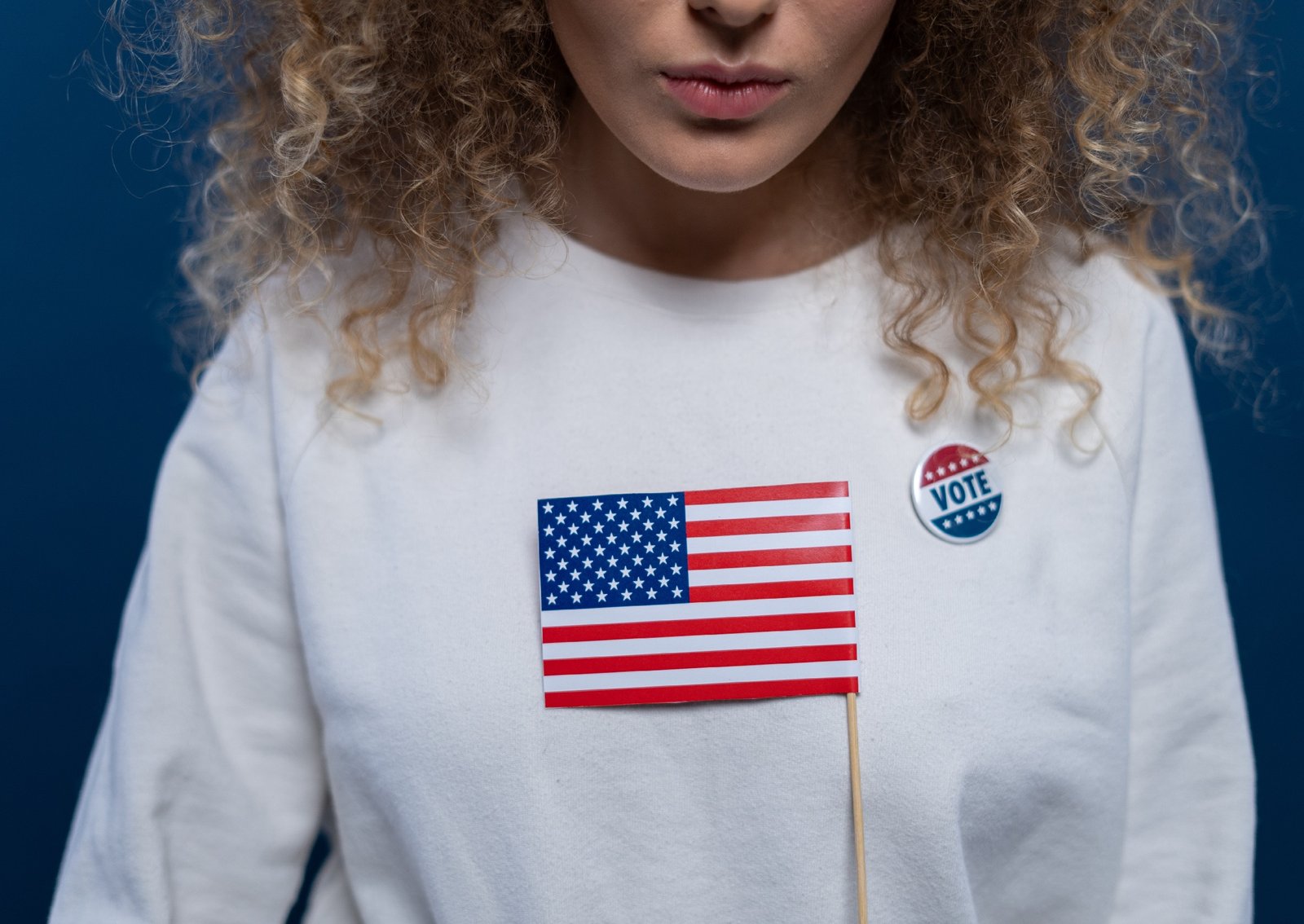
Introduction: In recent years, women have been breaking barriers and making their mark in the political arena, both as leaders and commentators. However, despite their growing presence, women political commentators still face disproportionate challenges and biases in the media industry. In this blog post, we will explore why advocacy for women political commentators and media representation is essential for achieving gender equality and improving political discourse. 1. Challenging Stereotypes: Historically, the media has primarily featured male voices and perspectives when it comes to political commentary. This gender imbalance perpetuates stereotypes that women are less knowledgeable or competent in discussing politics. Advocating for more women political commentators breaks these stereotypes and encourages diverse perspectives, leading to a more inclusive and nuanced political discourse. 2. Amplifying Women's Voices: Representation matters. When women see other women discussing politics in the media, it empowers and motivates them to participate in political discussions themselves. By amplifying women's voices, we create a ripple effect that encourages more women to engage in politics, not only as commentators but also as voters, leaders, and activists. 3. Different Insights and Perspectives: Women bring unique insights and perspectives to political discussions, often centered around issues that disproportionately affect them, such as reproductive rights, healthcare, and gender inequality. By advocating for increased representation of women political commentators, we ensure that these critical issues receive the attention they deserve and foster a more comprehensive understanding of political challenges. 4. Countering Misogyny and Bias: Women political commentators face disproportionate levels of online harassment, misogyny, and bias compared to their male counterparts. Advocacy efforts are crucial in addressing these challenges and creating a more respectful and inclusive environment for women in the media. It is vital to challenge the double standards and hold media outlets accountable for enabling or perpetuating sexist behavior. 5. Promoting Positive Role Models: When women political commentators are given platforms to showcase their expertise and leadership, not only do they inspire other women, but they also become invaluable role models for future generations. By advocating for their visibility, we encourage the next generation of women to confidently pursue careers in politics, journalism, and media. Conclusion: Advocacy for women political commentators and media representation is a vital step towards achieving gender equality and improving political discourse. By challenging stereotypes, amplifying women's voices, incorporating diverse perspectives, countering bias, and nurturing positive role models, we cultivate an environment that values the contributions of women in politics and encourages their active participation. It is through these efforts that we can create a more inclusive and knowledgeable society that benefits from the insights and leadership of all its members. For a different perspective, see: http://www.microadvocacy.com


