Embracing Color-Marketing for Achieving Gender Diversity in Political Parties
Category : |
Sub Category : Posted on 2023-10-30 21:24:53
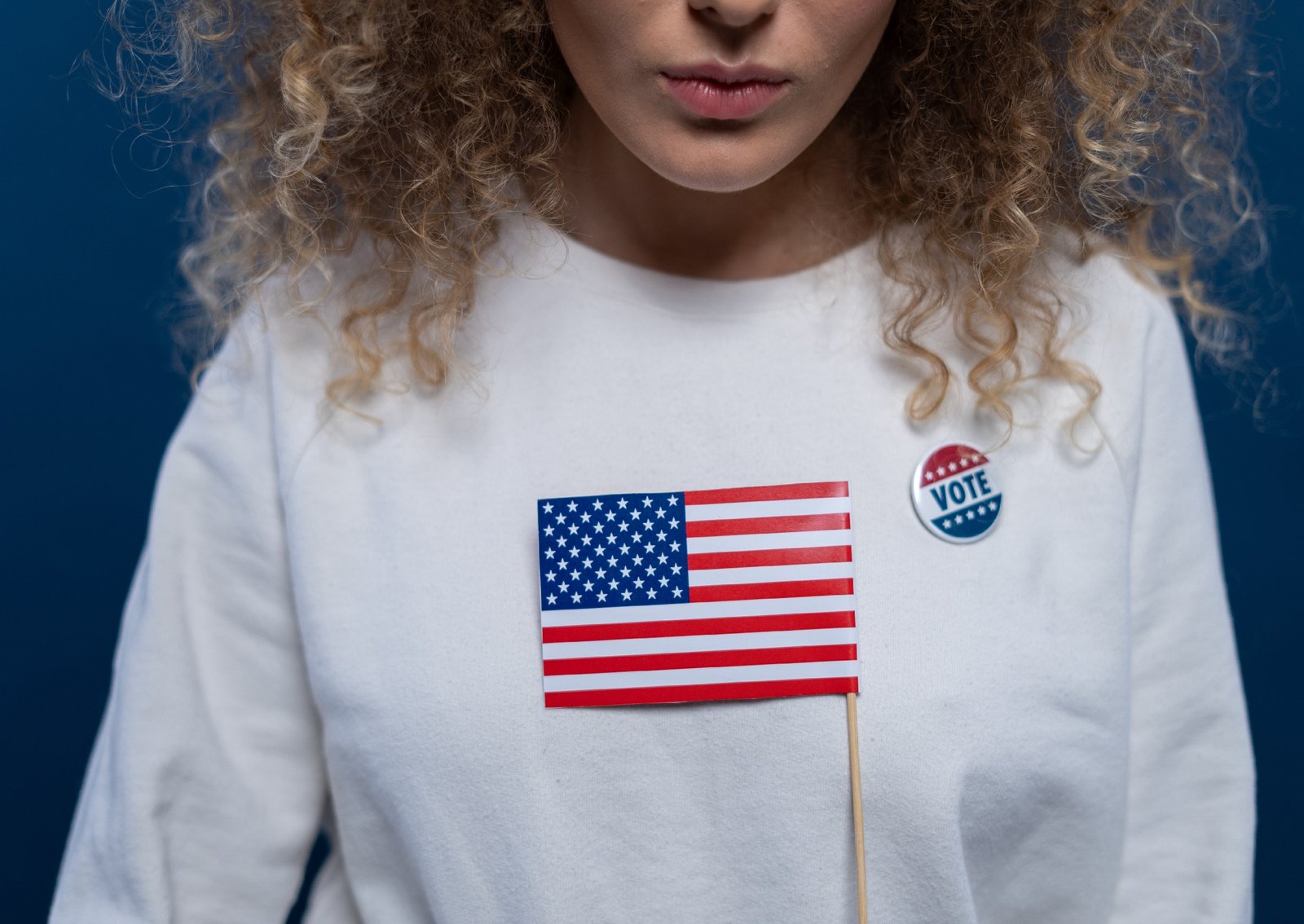
Introduction: In today's world, gender diversity and political representation go hand in hand. As societies strive for equality, it becomes essential for political parties to adopt innovative strategies to attract and empower women in politics. One approach gaining momentum is color-marketing, a powerful tool that can help break gender stereotypes and drive inclusivity within political parties. In this blog post, we will explore how color-marketing can be leveraged to promote gender diversity in political parties. Challenging Gender Stereotypes: From a young age, societal conditioning associates specific colors with gender. Pink for girls, blue for boys - these rigid norms have long influenced our perceptions. Applying color-marketing techniques can aid in challenging these stereotypes. Political parties can craft vibrant and diverse branding identities that appeal to individuals regardless of their gender. By creating inclusive visual representations, parties can set the stage for a more diverse and representative political landscape. Engaging Women Voters: One of the significant challenges that political parties face is engaging women voters. Color-marketing strategies can play a crucial role in capturing their attention and fostering greater participation. By incorporating colors that resonate with women, political parties can create a sense of belonging and build trust. This can be achieved through visually appealing advertisements, campaign materials, and online content that embrace a variety of colors associated with empowerment, leadership, and unity. Creating Inclusive Spaces: Political parties can actively promote gender diversity by designing inclusive spaces where women feel welcome and represented. Color-marketing can be instrumental in cultivating environments that encourage collaboration and equitable participation. By consciously choosing colors that evoke a sense of inclusivity, political parties can inspire women to become active members and leaders within the party. Many organizations have already successfully implemented color-marketing techniques to enhance inclusivity, and political parties can draw inspiration from these success stories. Implementing Gender-Neutral Color Palettes: To further drive gender diversity, political parties can consider adopting gender-neutral color palettes. These palettes feature shades that are not traditionally associated with any gender, breaking away from societal norms. By leveraging such color schemes, parties can challenge stereotypes and attract a diverse range of individuals who may otherwise feel excluded or marginalized. Gender-neutral colors represent a fresh and progressive approach, signaling equality and openness within political ecosystems. Collaborating with Diverse Voices: In addition to utilizing color-marketing strategies, political parties should also collaborate with diverse voices and communities. Embracing diversity in all aspects, including gender, should be a central focus for political parties looking to achieve true representation. By actively involving women leaders, activists, and experts in decision-making processes, political parties can communicate their commitment to gender diversity and ensure that their color-marketing efforts are truly inclusive. Conclusion: Gender diversity in political parties is a crucial step towards building inclusive societies. By harnessing the power of color-marketing, political parties can challenge traditional stereotypes and create environments that attract and empower more women. Embracing vibrant and diverse branding, incorporating gender-neutral color palettes, and collaborating with diverse voices are essential components for achieving gender diversity. By implementing these strategies, political parties can pave the way for a more representative political landscape that serves the needs and aspirations of all individuals, regardless of their gender. To get more information check: http://www.tinyfed.com To get a different viewpoint, consider: http://www.droope.org


