The Power of Color: How Color Marketing Paves the Way for Women Governors
Category : |
Sub Category : Posted on 2023-10-30 21:24:53
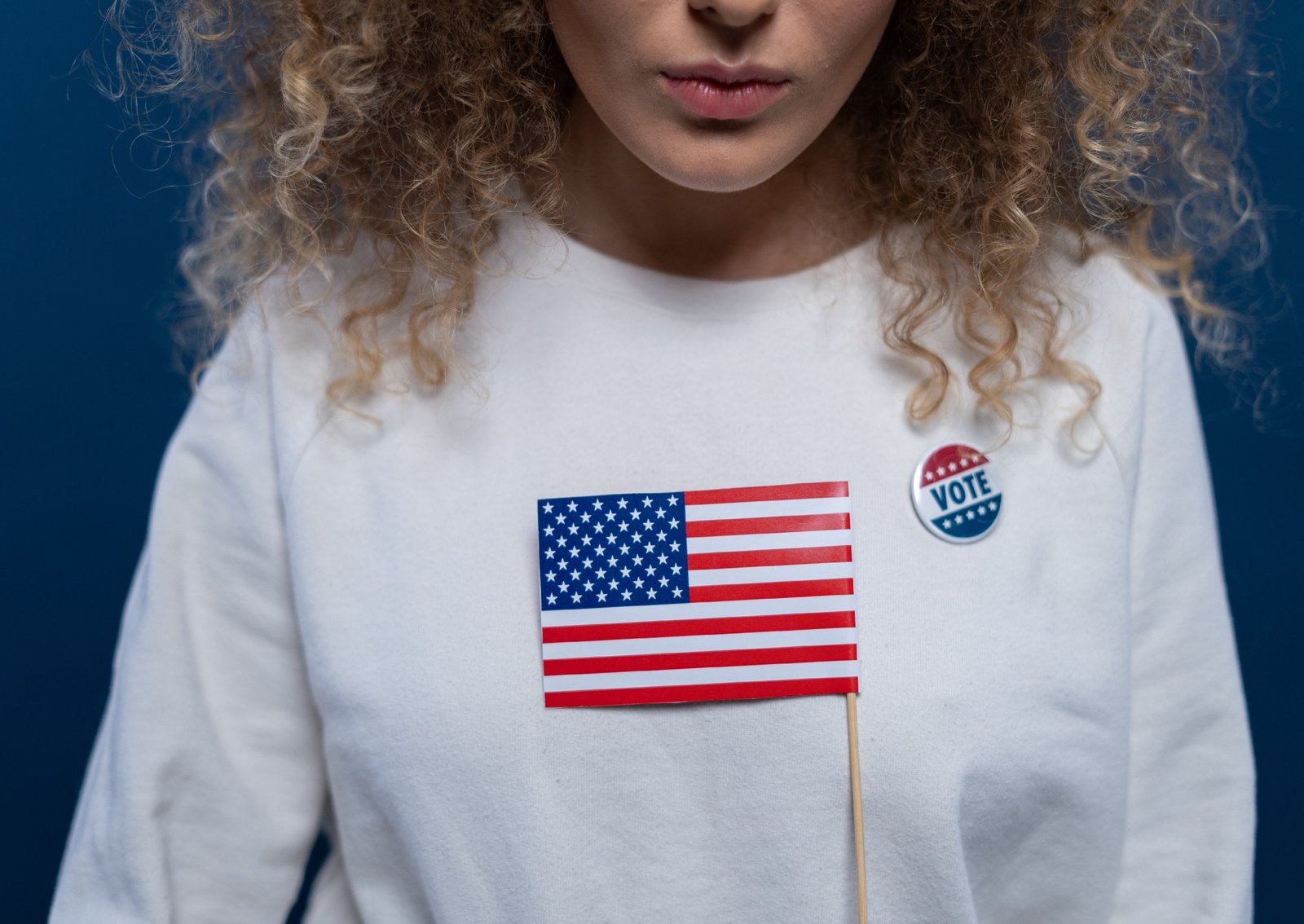
Introduction: In today's increasingly visual and connected world, marketers understand the importance of color in influencing consumer behavior. From product packaging to advertising campaigns, color choice plays a significant role in attracting attention, evoking emotions, and ultimately driving sales. But did you know that color marketing can also have a profound impact on the success of women in leadership positions, such as women governors? In this blog post, we explore the connection between color psychology and women in politics, highlighting how strategic use of color can contribute to breaking gender barriers and empowering more women to hold gubernatorial roles. 1. Breaking Gender Stereotypes with Color: Societal norms have traditionally associated certain colors with specific genders. Pink, for example, has commonly been associated with femininity and often used in marketing campaigns targeting women. By defying these gender stereotypes, women candidates for governor can challenge traditional beliefs and carve a unique path for themselves. Using bold, non-traditional colors (such as blue or green) in their campaign materials can signal their readiness to break barriers, challenge the status quo, and bring about progressive change. 2. Establishing Trust and Credibility: Color psychology plays a crucial role in establishing trust and credibility in the minds of voters. For women governors, using colors that convey stability, integrity, and professionalism can help create a positive impression, minimizing any potential biases or doubts. Earthy tones like navy blue, forest green, or deep purple are often associated with strength, intelligence, and dependability qualities that are respected in leadership positions. By incorporating these colors into their campaign branding, women candidates can project a trusted and capable image. 3. Inspiring Emotional Connection: Successful politicians have the ability to connect with their constituents on an emotional level. Color can be a powerful tool in evoking specific emotions and building rapport. Soft and calming colors such as light blue or pastel shades symbolize trust, tranquility, and reliability. By incorporating these colors into their marketing materials, women governors can appear approachable, compassionate, and understanding, thereby creating a deeper emotional connection with the public. 4. Differentiating from Competitors: In a crowded political landscape, standing out from the competition is crucial. Strategic use of color can help women candidates differentiate themselves from their male counterparts by embracing colors that convey femininity, courage, and empathy. Vibrant colors like magenta, coral, or turquoise can symbolize resilience, passion, and uniqueness. Women candidates who embrace unconventional color choices can grab attention, leave a lasting impression, and effectively communicate their intended messages. Conclusion: As women continue to shatter societal norms and break glass ceilings in politics, understanding the impact of color marketing on their journey is essential. By thoughtfully selecting colors that challenge gender stereotypes, establish trust, inspire emotional connection, and differentiate them from their competitors, women governors can Leverage the power of color to their advantage. Ultimately, this can contribute to a more inclusive and diverse political landscape where women are empowered to lead and influence positive change at the highest levels. For a different take on this issue, see http://www.tinyfed.com For an in-depth analysis, I recommend reading http://www.droope.org


