The Power of Color in Marketing: Empowering Women Senators and Representatives
Category : |
Sub Category : Posted on 2023-10-30 21:24:53
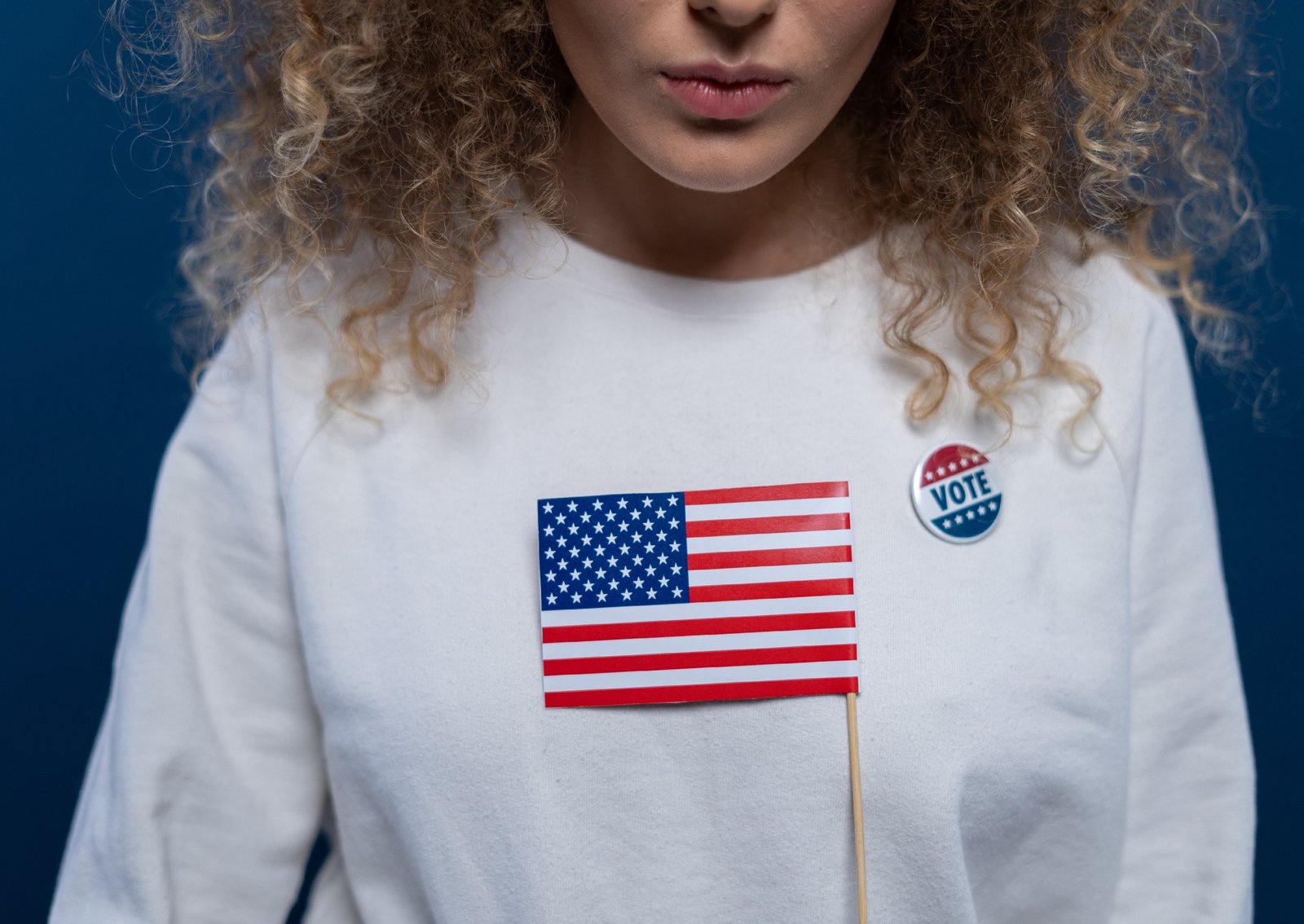
Introduction: In today's rapidly evolving world, marketing plays a critical role in shaping public perception. Color, in particular, has proven to be a powerful tool in capturing attention, influencing emotions, and representing values. When applied strategically, color can reinforce the message, build trust, and bring unity to any brand or cause. In this blog post, we delve into the fascinating world of color marketing and how it can empower women senators and representatives as they strive for equal representation in politics. The Psychology of Color: Colors have the ability to evoke various emotional and psychological responses. Understanding the psychology behind color is essential in creating effective marketing strategies. Here are some common colors and their associated traits: 1. Blue: This calming color symbolizes trust, stability, and intelligence. It is often associated with reliability and is frequently used in political campaigns to establish credibility. 2. Red: As a color that signifies energy, passion, and power, red is attention-grabbing and can evoke strong emotional responses. It represents determination and can be used to convey the fight for equality. 3. Purple: Traditionally associated with royalty, purple represents ambition, wisdom, and creativity. It can be used to highlight leadership qualities and inspire confidence. 4. Green: Symbolizing growth, harmony, and balance, green is commonly associated with sustainability, trustworthiness, and environmental consciousness. It can be used to highlight progressive policies and a commitment to the future. Empowering Women Senators and Representatives Through Color Marketing: 1. Establishing a Consistent Brand Identity: In politics, establishing a strong brand identity is crucial for building trust and recognition amongst constituents. Developing a cohesive color palette can strengthen the image of women senators and representatives. The chosen colors should reflect their values, create a sense of unity, and resonate with their target audience. 2. Reflecting Emotional Connections: The use of color can foster emotional connections between politicians and their constituents. By incorporating colors that represent empathy, trust, and understanding, women politicians can connect with their audience on a deeper level. Understanding their constituents' needs and using colors that elicit positive emotional responses can help develop a loyal following. 3. Highlighting Key Messaging: Colors can be employed to emphasize specific messages and policy platforms. By associating specific colors with key policy objectives, women senators and representatives can effectively communicate their dedication to causes such as gender equality, healthcare reform, or environmental sustainability. This consistent visual representation helps to reinforce the intended message and make it more memorable. 4. Addressing Gender Stereotypes: The choice of color can challenge gender stereotypes and bring attention to the underrepresentation of women in politics. By breaking away from traditional gender color norms, such as using softer pastel shades for women and stronger primary colors for men, women senators and representatives can assert their presence and showcase their determination to break barriers. Conclusion: Color marketing can play a significant role in empowering women senators and representatives. Through strategic color choices, politicians can establish a strong brand identity, forge emotional connections, highlight key messages, and challenge gender stereotypes. Embracing the power of color in marketing can help create a more inclusive and representative political landscape, where women's voices are heard and valued. Get more at http://www.tinyfed.com Seeking expert advice? Find it in http://www.droope.org


