Bridging Cultures: Exploring Intersectionality and Diversity in Women's Politics
Category : |
Sub Category : Posted on 2023-10-30 21:24:53
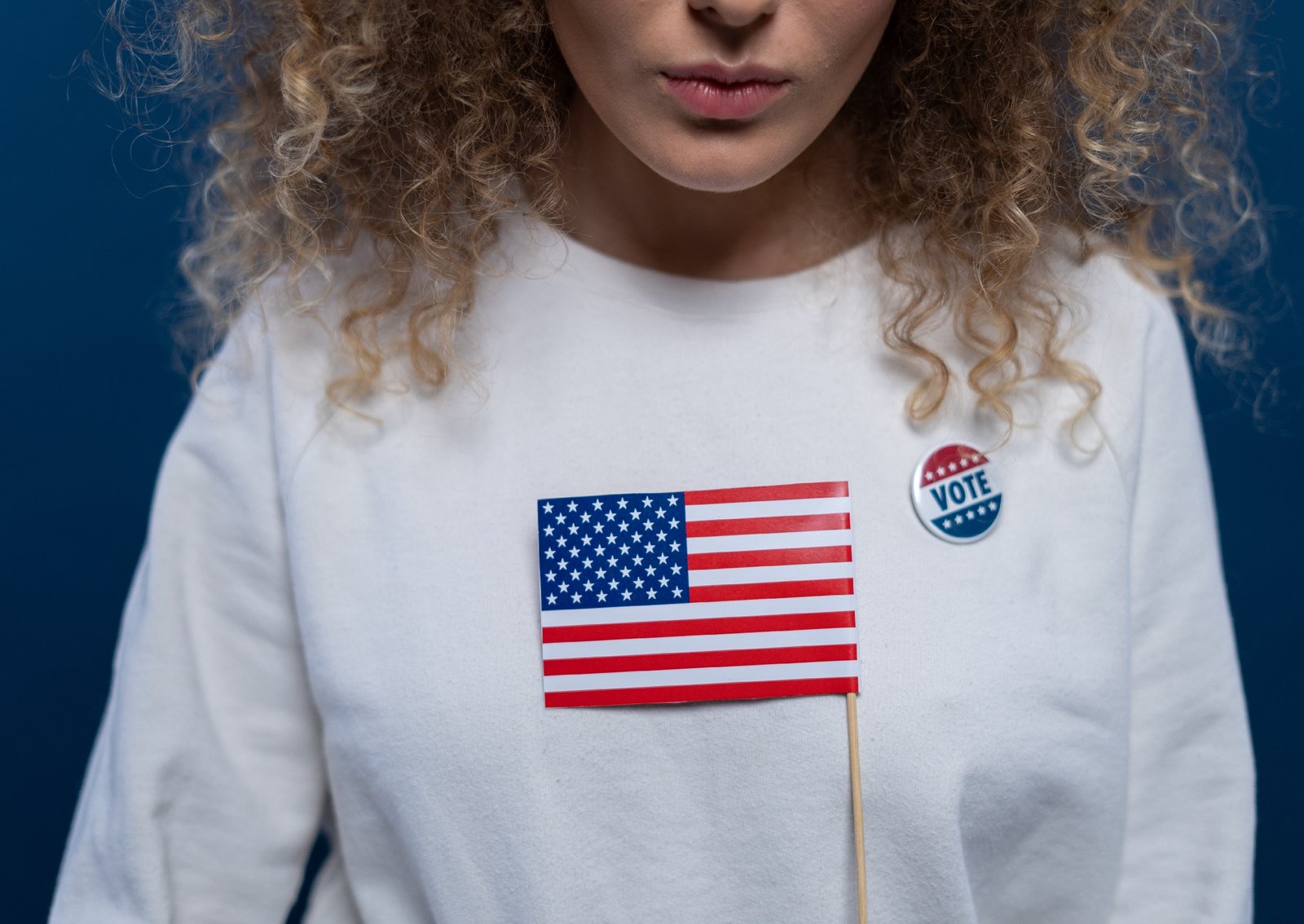
Introduction: In today's ever-evolving political landscape, the importance of diversity and intersectionality in women's politics cannot be overstated. The intersectionality of various cultures, combined with a focus on inclusivity and representation, adds depth and richness to the political sphere. In this blog post, we will explore the significance of diversity and intersectionality in women's politics, highlighting the ways in which different cultures shape and inform the experiences, challenges, and achievements of women in the political arena. Understanding Intersectionality: Intersectionality is a framework that acknowledges and addresses the interconnectedness of social identities, such as race, gender, ethnicity, religion, sexual orientation, and disability. In the context of women's politics, intersectionality recognizes that women from diverse backgrounds face unique challenges and discrimination that cannot be addressed through a single, unified lens. It emphasizes the need to understand the complex and overlapping nature of various identities and how they intersect and interact. Cultural Influences on Women's Politics: Cultures significantly impact women's political involvement, shaping their experiences, perspectives, and opportunities. Each culture brings a distinct set of values, beliefs, and traditions, which can either hinder or enrich a woman's ability to participate in politics. For example, in some cultures, gender norms and expectations limit women's access to education, employment, and leadership roles. On the other hand, some cultures have a long history of empowering women and valuing their contributions to society and politics. Challenges Faced by Diverse Women in Politics: Diverse women face a range of unique challenges in politics due to the intersectionality of their identities. For instance, women of color may encounter racism within political institutions, while LGBTQ+ women may face discrimination based on their sexual orientation. Indigenous women may confront systemic barriers rooted in colonial legacies, and women from religious minorities may experience prejudice and stereotyping. Addressing these challenges requires a nuanced understanding of the complexities of intersectionality and ensuring equal representation for all women. The Power of Cultural Exchange: Despite the challenges posed by intersectionality, there is incredible power in the intersection of diverse cultures within women's politics. When women from different backgrounds come together, they bring a tapestry of experiences, perspectives, and ideas. A diverse political landscape encourages robust debates, drives innovative policy solutions, and fosters a more inclusive society. By embracing intersectionality and actively promoting diversity, women can create a united front that challenges the status quo and works towards meaningful change. Promoting Inclusivity and Representation: To achieve true intersectionality and diversity in women's politics, it is crucial to actively promote inclusivity and representation. This necessitates creating spaces where women from different cultures can voice their experiences, address their specific needs, and collaborate on policy initiatives. Political parties and organizations should prioritize the inclusion of diverse women in decision-making positions. Initiatives aimed at empowering and supporting women from different backgrounds should be developed, ensuring they have equal access to education, networking, and mentorship opportunities. Conclusion: The intersectionality and diversity inherent in women's politics enrich the global political landscape, helping to create a society that is more inclusive, just, and equitable. Acknowledging and addressing the unique challenges faced by diverse women is essential for fostering meaningful representation and ensuring that no woman's voice is left unheard. By promoting inclusivity and actively engaging with different cultures, women can build bridges, break down barriers, and pave the way for a more diverse and inclusive political future. To get a different viewpoint, consider: http://www.culturepolitics.com For a comprehensive overview, don't miss: http://www.mimidate.com also visit the following website http://www.cotidiano.org


