Embracing Intersectionality and Diversity in Women's Politics: A Key to Empowerment
Category : |
Sub Category : Posted on 2023-10-30 21:24:53
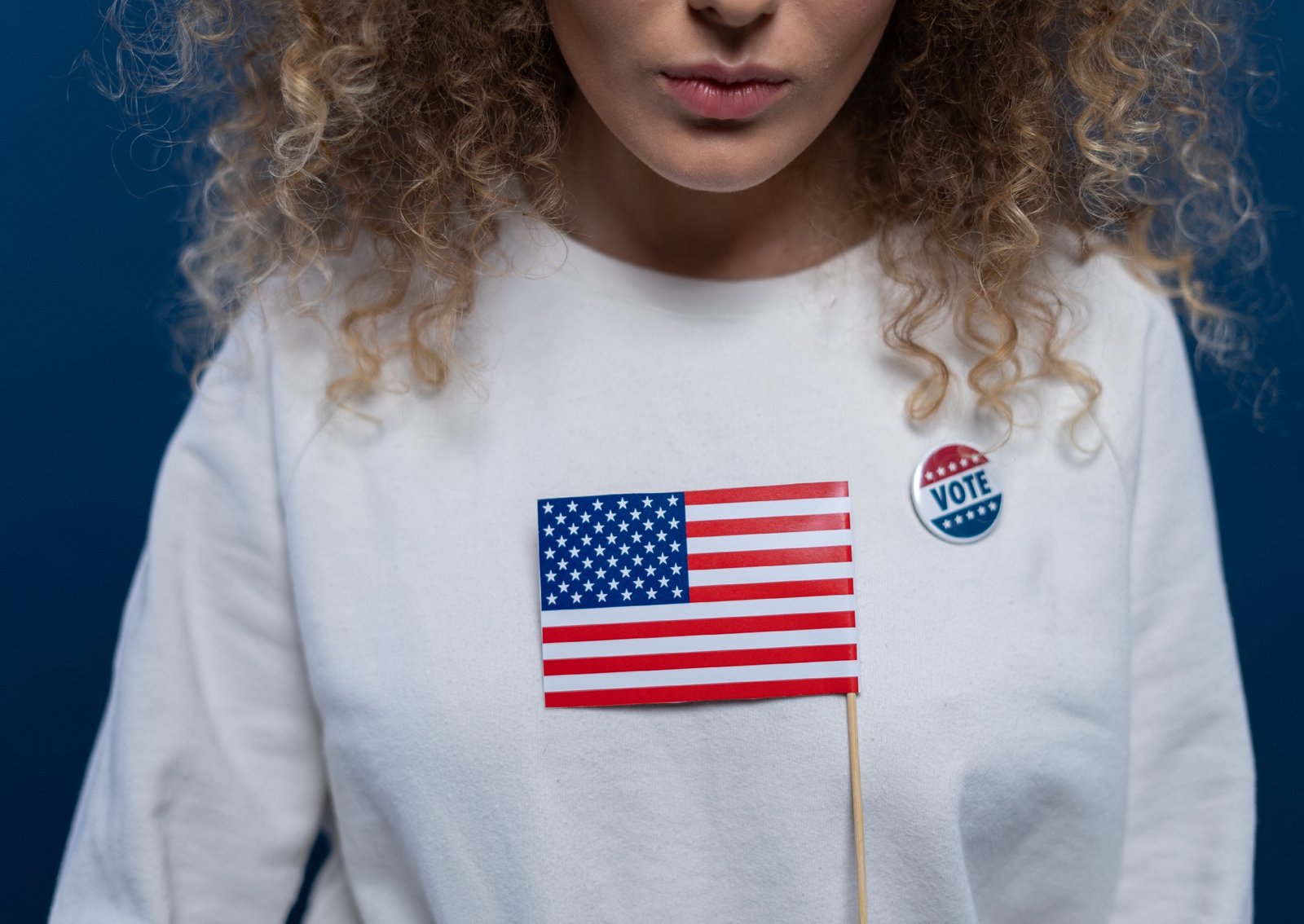
Introduction: In recent years, the political landscape has witnessed significant shifts toward diversity and inclusivity. One aspect of this transformation is the increasing visibility of women in politics a movement that holds immense potential for shaping policies and promoting social change. However, it is crucial to delve deeper and explore the concept of intersectionality in women's politics. To understand the significance of diverse voices, we must recognize the contributions and challenges faced by women of different backgrounds, experiences, and identities. 1. Defining Intersectionality in Women's Politics: Intersectionality recognizes that individuals can simultaneously experience various forms of oppression or privilege based on factors such as race, ethnicity, gender, sexuality, socio-economic status, and more. In the realm of women's politics, intersectionality acknowledges that the experiences and needs of women are not homogenous or monolithic, and must be addressed accordingly. 2. Amplifying Marginalized Voices: By embracing intersectionality, women in politics can amplify the voices of those who have historically been marginalized or left out of mainstream political conversations. This includes women of color, LGBTQ+ individuals, disabled women, immigrant and refugee women, and others. By actively seeking diverse perspectives, women politicians can uncover and address unique challenges faced by different communities, ensuring that policies designed are inclusive and equitable. 3. Addressing Complex Injustices: Intersectionality empowers women politicians to address complex injustices that often intersect such as gender-based violence, racial profiling, economic disparities, and access to healthcare. By understanding the ways in which these issues intersect, women politicians can develop comprehensive strategies to eradicate discrimination and promote equality for all. 4. Collaboration and Coalition-Building: Recognizing diversity in women's politics is not only important for acknowledging different experiences but also for fostering collaboration and coalition-building. By working together, women politicians can leverage their unique strengths and experiences to develop effective strategies and initiatives. This collaboration can lead to powerful movements against systemic inequalities and help shape a more representative and inclusive political landscape. 5. Breaking Down Barriers and Challenging Stereotypes: In the pursuit of intersectionality and diversity in women's politics, barriers and stereotypes can be dismantled. This includes challenging the perception that politics is a male-dominated field, as well as debunking stereotypes that suggest certain identities or backgrounds are incompatible with political leadership. By celebrating and promoting diverse women in politics, we can foster an environment where all women are encouraged and empowered to participate in political decision-making. Conclusion: Embracing intersectionality and diversity in women's politics is crucial to advancing social justice and empowerment. By acknowledging and addressing the unique challenges faced by women from different backgrounds, we can develop inclusive policies and initiatives that truly represent all women. The more diverse voices we include, the stronger our political systems become. As we continue to support women politicians from all walks of life, we pave the way for a more equitable and inclusive future for all. Click the following link for more http://www.culturepolitics.com To see the full details, click on: http://www.acidme.com For a different perspective, see: http://www.mimidate.com Curious to learn more? Click on http://www.cotidiano.org


