The Intersectionality and Diversity in Women's Politics: Breaking Barriers in Kitchens
Category : |
Sub Category : Posted on 2023-10-30 21:24:53
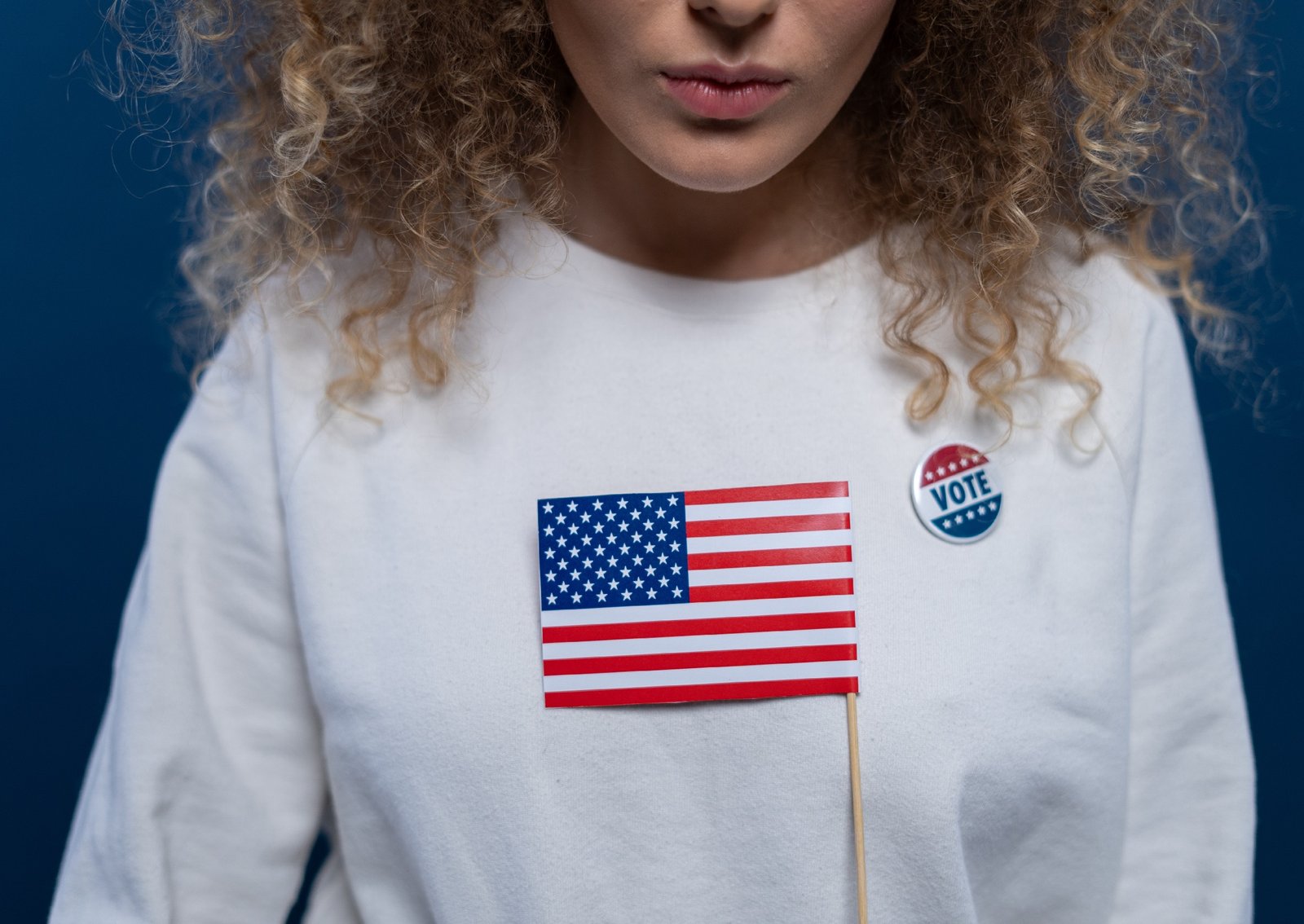
Introduction: In recent years, there has been an increasing focus on the representation and empowerment of women in politics. While the progress made in this arena is admirable, it is equally important to acknowledge and address the intersectionality and diversity within women's political experiences. This blog post aims to explore how the concept of intersectionality intersects with the traditionally female-dominated domain of kitchens and how diverse women are breaking barriers in this space. Understanding Intersectionality: Intersectionality is a term coined by scholar Kimberl Crenshaw that recognizes how different aspects of an individual's identity, such as race, gender, class, and sexuality, intersect and shape their experiences. When examining women's political participation, it is crucial to recognize that women are not a monolithic group, but rather, a diverse collective with unique experiences and perspectives. Intersectionality in the Kitchen: The kitchen, once considered a woman's traditional domain, offers a fascinating lens through which we can explore the intersectionality of women's politics. Historically, women from marginalized communities, such as women of color, working-class women, and LGBTQ+ women, have faced unique challenges and barriers in accessing political power. These challenges extend beyond the realm of traditional politics and often manifest themselves in everyday spaces like the kitchen. Breaking Barriers: Despite the challenges presented by intersectionality, women from diverse backgrounds are breaking barriers and reshaping the narrative around the kitchen, using it as a platform for political engagement and empowerment. Here are a few examples of how intersectionality and diversity are represented in kitchen politics: 1. Cultural Reinvention: Women from various cultural backgrounds are using their culinary heritage to challenge stereotypes and promote multiculturalism. By showcasing their diverse culinary talents, these women are reintroducing the world to their heritage while simultaneously contributing to the broader political discourse. 2. Food Justice and Activism: Women are utilizing the kitchen as a space for promoting food justice and advocating for social change. Female activists are using their culinary skills to address issues such as food insecurity, sustainable farming practices, and the impact of food production on marginalized communities. Through cooking, organizing community gardens, and supporting local food movements, these women are creating tangible change at the grassroots level. 3. Entrepreneurship and Economic Empowerment: Women, particularly those from marginalized communities, are increasingly carving out spaces for themselves in the culinary industry. From food trucks to pop-up restaurants, diverse women entrepreneurs are reclaiming the narrative around kitchen ownership and economic empowerment. These women not only challenge gender norms but also contribute to the economic development of their communities. Conclusion: The intersectionality and diversity in women's politics extend beyond traditional political spheres and permeate even into spaces as intimate as the kitchen. Understanding and addressing the challenges faced by diverse women in this domain is crucial to creating a more inclusive and equitable society. By recognizing and celebrating the various ways in which women engage in kitchen politics, we can work towards breaking down barriers, promoting empowerment, and amplifying the voices of all women in the political arena. Want to learn more? Start with: http://www.bkitchens.com Find expert opinions in http://www.culturepolitics.com Explore expert opinions in http://www.mimidate.com Click the following link for more http://www.cotidiano.org


