Celebrating the Contributions of Women in Political Leadership: Insights from Surveys
Category : |
Sub Category : Posted on 2023-10-30 21:24:53
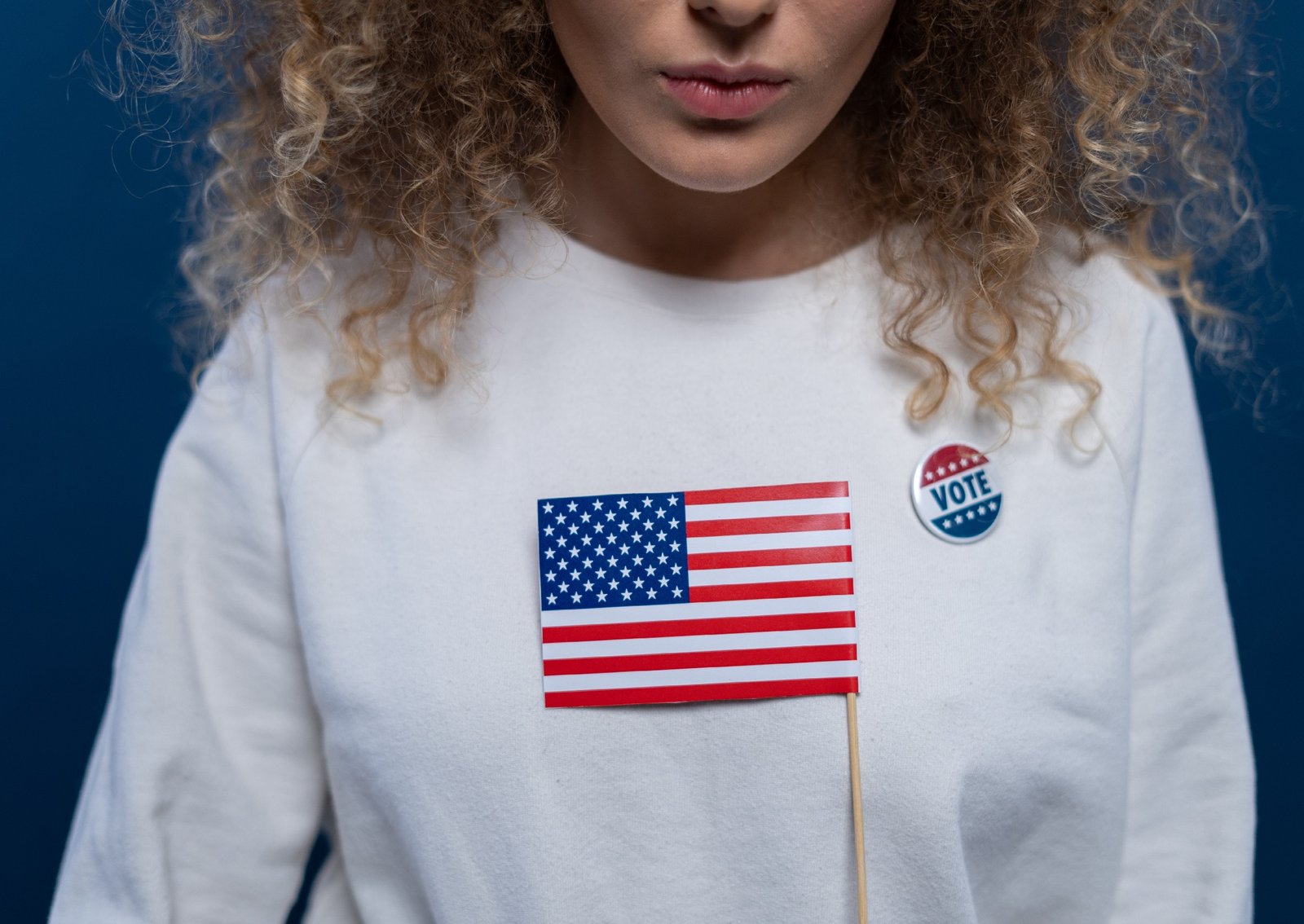
Introduction: In recent years, the world has witnessed a growing recognition of the essential role and contribution of women in political leadership. From trailblazers like Angela Merkel and Jacinda Ardern to rising stars like Alexandria Ocasio-Cortez and Sanna Marin, women are making their mark and reshaping the political landscape. But what do surveys tell us about how women's contributions in political leadership are perceived? Let's delve deeper into the insights provided by surveys. 1. Breaking Barriers and Changing Perceptions: Women in political leadership often face significant barriers, including gender bias and stereotypes. However, surveys have shown a shifting perception when it comes to women's potential in political roles. According to a global survey conducted by Pew Research Center in 2018, around 50% or more respondents in most countries surveyed agreed that women can make equally good political leaders as men. This suggests a positive change in public opinion regarding women's capacity for political leadership. 2. Innovative Approaches to Governance: One aspect where women in political leadership excel is their tendency to bring innovative and collaborative approaches to governance. According to a survey conducted by the Inter-Parliamentary Union (IPU) and UN Women, women politicians tend to prioritize issues such as social justice, education, healthcare, and the environment. Their dedication towards these areas brings fresh perspectives, enhanced social inclusion, and progress. Moreover, studies have shown that women leaders are often more willing to reach across party lines and build coalitions, leading to more effective governance. 3. The Impact of Women's Representation: It's widely recognized that increasing women's representation in political leadership is vital for achieving gender equality and inclusive decision-making. Research has consistently shown that when more women hold political office, there is a higher likelihood of introducing policies that address the needs and concerns of women and marginalized groups. A study conducted by the World Bank found that countries with greater women's representation in parliament tend to have stronger laws protecting women's rights, higher investments in education and healthcare, and better overall development indicators. 4. Overcoming Challenges: While progress has been made, women in political leadership still face numerous challenges globally. They often encounter harassment, discrimination, and higher standards of scrutiny compared to their male counterparts. According to a survey conducted by the Inter-Parliamentary Union and UN Women, as well as the World Economic Forum's Global Gender Gap Report, women politicians are more likely to receive online abuse and face gender-based violence. These challenges highlight the urgent need for continued support and advocacy for women in political leadership. Conclusion: The contributions of women in political leadership are invaluable and have the power to shape the future. Surveys provide valuable insights into the changing perceptions, innovative approaches, and positive impacts brought about by women politicians. However, it is crucial to address the challenges they face and create supportive environments that empower and encourage their full participation in decision-making processes. By fostering gender equality in political leadership, we can collectively work towards a better and more inclusive future for all. For a fresh perspective, give the following a read http://www.surveyoption.com For comprehensive coverage, check out http://www.surveyoutput.com


