Empowering Urdu Women in Politics: Breaking Barriers and Creating Change
Category : |
Sub Category : Posted on 2023-10-30 21:24:53
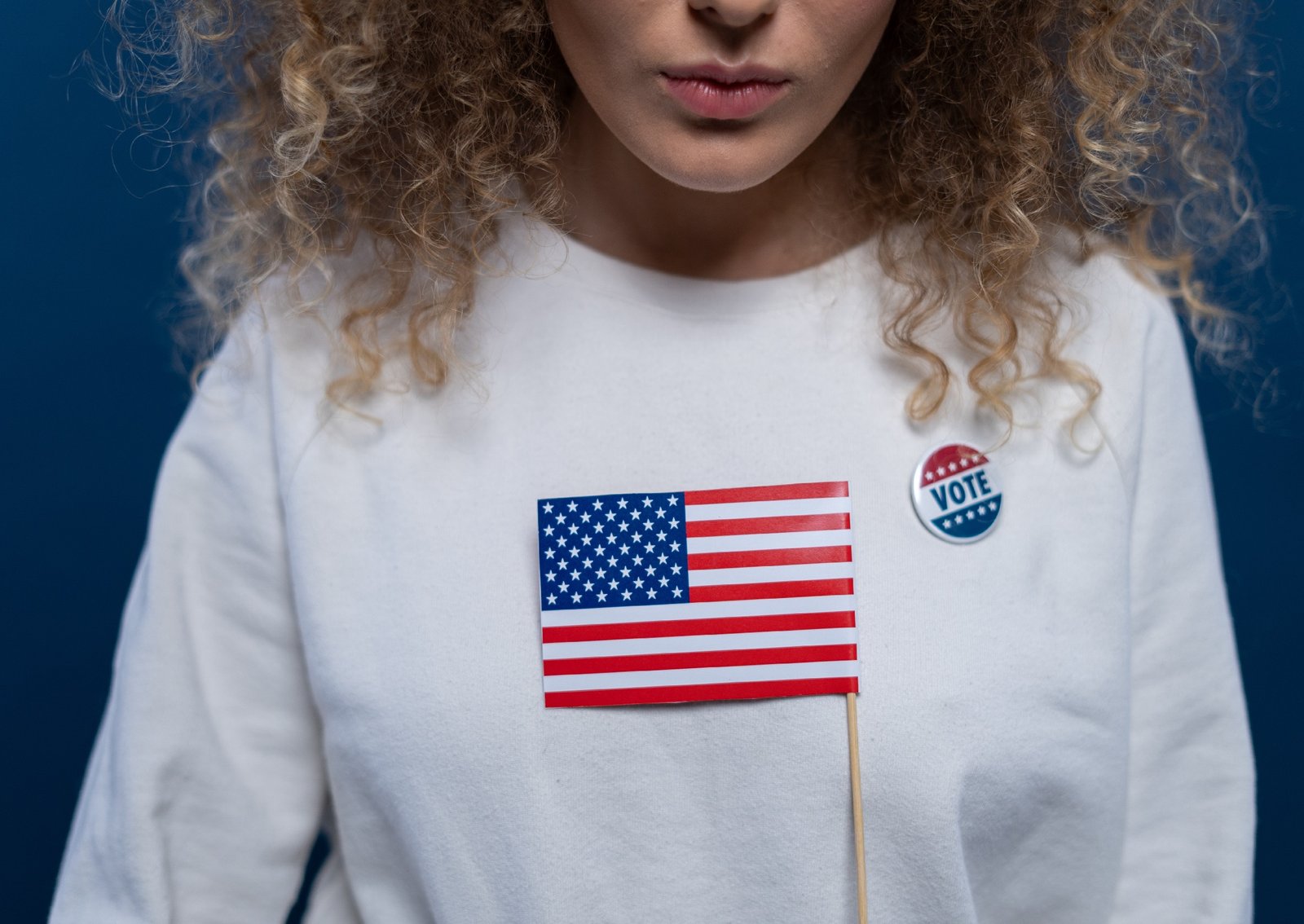
Introduction: Political empowerment of women has become a global movement, with women from different cultures and backgrounds actively participating in shaping the future of their societies. In this blog post, we will explore the topic of Urdu women's political empowerment and shed light on the challenges they face, the progress made so far, and the potential for creating positive change within the Urdu community. Breaking Cultural Barriers: In traditional Urdu society, women are often relegated to domestic roles and their participation in politics is limited. However, there has been a gradual shift in mindset, as more and more Urdu women are breaking cultural barriers and actively engaging in political spheres. This shift is driven by a desire for equality, representation, and a deep-rooted belief in the power of their voices. Challenges Faced: Despite the growing aspirations of Urdu women for political empowerment, they still face significant challenges. One key obstacle is the deeply entrenched patriarchal culture prevalent in many Urdu communities. This culture often undermines the potential of women in leadership roles, leading to limited opportunities and support. Furthermore, societal expectations, lack of resources, and limited access to education and funds hinder the progress of Urdu women in politics. Progress and Success Stories: Despite the challenges, Urdu women have made significant strides in political empowerment. One remarkable success story is that of Begum Ra'ana Liaquat Ali Khan. A pioneer in women's education and empowerment in Pakistan, she not only played a significant role as the First Lady of Pakistan but also worked tirelessly to advance women's rights and political participation. In recent times, several Urdu women politicians have emerged as strong advocates for change. In India, Meira Kumar, a former speaker of the Lok Sabha (House of the People), has been a prominent voice for women's rights and political representation. Mehwish Hayat, a well-known Pakistani actress and activist, has been using her platform to raise awareness about women's issues and empower Urdu women in the political arena. Steps Towards Empowerment: To further empower Urdu women in politics, recognizing their potential and providing them with equal opportunities and resources is crucial. Here are some steps that can be taken: 1. Education and Awareness: Promote education and awareness programs that focus on empowering Urdu women politically. This includes encouraging them to pursue political studies and providing training on leadership and public speaking. 2. Creating Safe Spaces: Establish safe spaces and forums where Urdu women can openly discuss political issues, share experiences, and support each other. These spaces can serve as platforms for networking and collaboration. 3. Mentorship Programs: Develop mentorship programs where experienced Urdu women politicians guide and support young women interested in entering politics. This mentorship can provide valuable guidance and help break barriers. 4. Engaging Male Allies: Encourage male allies within the Urdu community to support and advocate for women's political empowerment. By involving men in the conversation, stereotypes and biases can be challenged more effectively. 5. Political Representation Quotas: Introduce political representation quotas for women, ensuring that Urdu women have a fair chance of joining decision-making bodies. Quotas can help accelerate the process of political empowerment and actively engage women in policy-making processes. Conclusion: The political empowerment of Urdu women is an ongoing journey that requires concerted efforts from individuals, communities, and governments. By recognizing the potential and promoting the inclusion of women in political decision-making, we can pave the way for a more gender-equal and progressive society. Let us work together towards breaking the barriers and creating a more inclusive political landscape for Urdu women, where their voices are heard and their contributions are valued. You can also check following website for more information about this subject: http://www.uurdu.com


